

Successful construction begins with a well-prepared foundation, and structural removal plays an important role in that preparation. Professional building demolition and dismantling services help clear existing structures in an organized manner, allowing future construction activities to begin with greater confidence. Careful planning, skilled execution, and responsible material handling can create a smooth transition from removal to development.
Careful Assessment Strengthens Project Preparation
Every demolition project benefits from a detailed understanding of the existing structure. Professionals can review structural conditions, identify key components, and establish an efficient removal sequence that aligns with the planned construction schedule.
- Detailed structural assessment
- Clear removal sequences
- Organized work planning
- Efficient resource allocation
- Smooth preparation for construction
Controlled Dismantling Supports Better Coordination
Dismantling involves removing structural elements systematically rather than approaching the process randomly. Controlled techniques help maintain an orderly workflow and make it easier to coordinate removal activities with upcoming construction requirements.
- Systematic component removal
- Careful handling of structural sections
- Organized material separation
- Consistent workflow management
- Improved project coordination
Efficient Methods Save Valuable Time
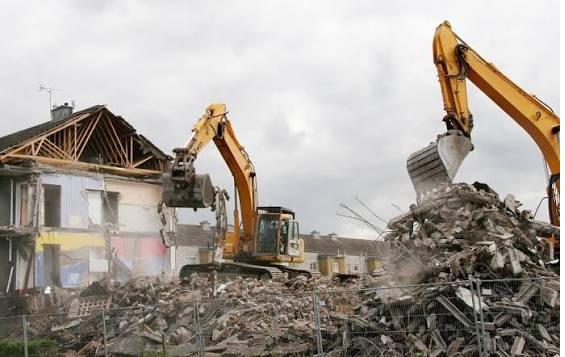
Well-selected demolition methods can help teams maintain productive progress while keeping each stage clearly defined. Efficient execution allows cleared areas to become available for subsequent activities without unnecessary delays.
- Practical removal techniques
- Better equipment utilization
- Streamlined work sequences
- Efficient debris movement
- Faster area preparation
Responsible Material Management Adds Value
Demolition can also create opportunities for thoughtful material recovery. Sorting removed components according to their type and condition helps support reuse and recycling while keeping the working area organized throughout the project.
- Material sorting and separation
- Identification of reusable components
- Organized collection procedures
- Recycling preparation
- Cleaner work areas
Safety Practices Support Smooth Progress
A strong focus on safety helps create controlled working conditions during every stage. Defined work zones, suitable protective measures, and clear communication allow teams to perform tasks confidently while maintaining project continuity.
- Clearly established work zones
- Appropriate protective equipment
- Regular condition monitoring
- Clear team communication
- Consistent safety procedures
Supporting Construction Readiness
Once structural removal is complete, a clean and organized area can provide an excellent starting point for the next phase. Professional planning helps ensure the transition supports construction requirements and encourages efficient use of the prepared space.
- Improved site accessibility
- Clear working areas
- Better construction preparation
- Flexible space utilization
- Organized project progression
Flexible Planning Improves Future Activities
A prepared structure-free area gives construction teams greater flexibility when arranging upcoming tasks. Early coordination between removal and development stages helps establish practical access, storage, and movement arrangements for the work ahead. This forward-looking approach also helps teams adapt smoothly as project needs develop.
- Easier planning of construction phases
- Better allocation of working space
- Improved access for future activities
- Clearer scheduling between project stages
- Stronger overall workflow continuity
Professional services can make รับรื้อภายในอาคาร an effective part of construction planning when skilled teams combine careful assessment, controlled dismantling, efficient methods, and responsible material handling. This coordinated approach supports smoother scheduling, better preparation, and a positive transition toward new construction possibilities.