

Family protection dogs can become loving and dependable household companions when they receive thoughtful everyday care. Beyond their protective abilities, these dogs benefit from affection, balanced routines, healthy activities, and positive family interactions. Consistent attention helps them feel comfortable, confident, and connected with every household member. Simple daily habits can support their physical health, emotional well-being, and ability to respond calmly to different situations.
1. Maintaining a Healthy Daily Routine
A predictable routine gives family protection dogs a comfortable structure throughout the day. Regular care encourages good habits and helps them remain active and relaxed.
- Balanced Nutrition: Provide nutritious meals that support energy, muscle development, and overall health.
- Fresh Drinking Water: Keep clean water accessible throughout the day to maintain proper hydration.
- Daily Exercise: Include walks, supervised playtime, and physical activities suitable for the dog’s age and fitness.
- Comfortable Resting Space: Arrange a quiet, clean sleeping area where the dog can relax without interruptions.
- Consistent Meal Times: Follow regular feeding schedules to encourage healthy digestive habits.
2. Building Strong Family Connections
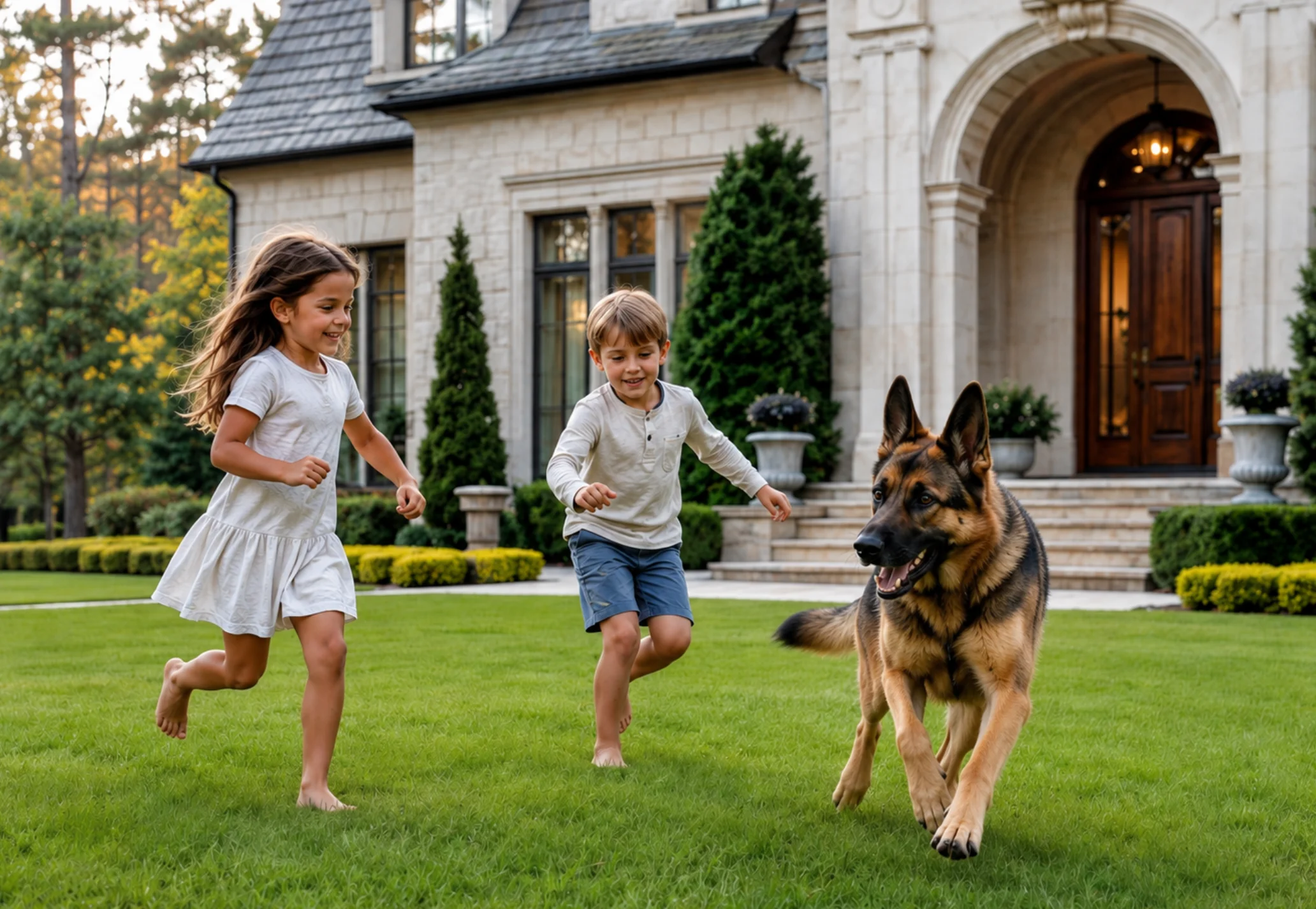
Positive relationships help protection dogs become comfortable around their family members. Everyday interactions create familiarity and encourage trust.
- Spend Quality Time: Include the dog in suitable family activities to strengthen emotional connections.
- Offer Gentle Affection: Use calm gestures, praise, and friendly attention to make daily interactions enjoyable.
- Encourage Family Participation: Allow household members to participate in feeding, grooming, walking, and basic training.
- Reward Positive Behaviour: Offer treats and verbal appreciation when the dog follows instructions or behaves appropriately.
- Respect Personal Space: Give the dog opportunities to rest independently whenever needed.
3. Supporting Grooming and Health
Regular grooming and health monitoring contribute significantly to a dog’s comfort. These simple practices also provide opportunities to notice changes in physical condition.
- Brush the coat regularly to maintain cleanliness and reduce loose hair.
- Check ears, paws, and nails during routine grooming sessions.
- Maintain dental hygiene through suitable brushing and approved dental products.
- Schedule veterinary checkups and follow recommended vaccination routines.
- Monitor appetite, energy levels, and general behaviour for noticeable changes.
For additional guidance on responsible ownership, families can visit website resources that explain grooming routines, nutrition, training practices, and everyday canine care.
4. Encouraging Mental Stimulation and Good Behaviour
Mental engagement keeps protection dogs interested, confident, and responsive. Combining enjoyable activities with consistent guidance supports positive household behaviour.
- Introduce interactive toys and simple problem-solving games.
- Practise basic commands such as sit, stay, come, and leave it.
- Provide supervised opportunities to explore familiar surroundings.
- Encourage calm greetings when guests arrive.
- Maintain positive social experiences with suitable people and other animals.
- Include short training sessions to reinforce listening skills and household manners.
Making Everyday Care a Lasting Commitment
Helping family protection dogs thrive requires patience, affection, and consistent attention. Healthy routines, proper grooming, positive training, and meaningful family interactions create a comfortable home environment. When families make these practices part of everyday life, dogs can develop stronger bonds and balanced behaviour. Thoughtful care also supports their confidence and well-being, allowing them to enjoy companionship while fulfilling their protective role responsibly.