

Creating safer and healthier indoor environments begins with thoughtful engineering and effective building protection strategies. Vapor intrusion prevention combines advanced construction methods, carefully planned ventilation systems, and reliable environmental controls to minimize unwanted vapor movement from beneath building foundations. By incorporating innovative engineering practices, property developers and building professionals can establish durable structures that support indoor air quality and long-term property performance.
1. Integrating Preventive Engineering into Building Design
A proactive engineering approach helps identify potential vapor migration pathways before construction activities begin. Careful planning allows building designs to incorporate protective features that strengthen foundations and improve environmental performance.
Important engineering considerations include:
- Foundation Planning: Designing suitable foundations helps reduce potential pathways through which underground vapors could enter indoor spaces.
- Vapor Barrier Installation: Using durable, low-permeability membranes creates an additional protective layer beneath concrete slabs.
- Structural Sealing: Addressing foundation joints, openings, and utility penetrations helps minimize unwanted vapor movement.
- Soil Assessment: Evaluating subsurface conditions provides valuable information for selecting appropriate prevention methods.
- Construction Coordination: Integrating environmental protection measures into early planning supports efficient installation and dependable results.
2. Applying Advanced Vapor Control Technologies
Modern engineering provides several effective technologies for controlling vapor movement and maintaining healthier building environments. Selecting suitable solutions according to structural conditions supports consistent protection.
Some valuable technologies include:
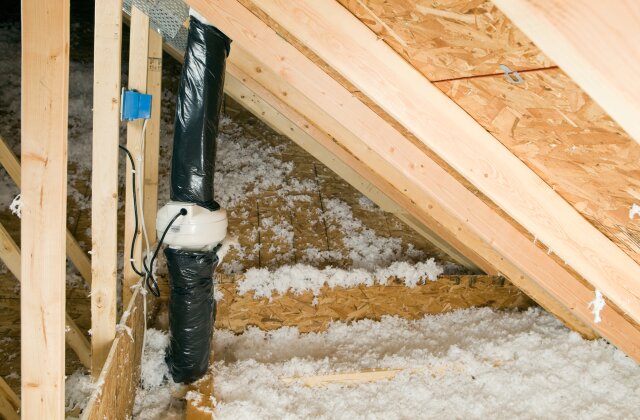
- Sub-Slab Depressurization: Specialized piping and ventilation equipment collect underground vapors and direct them safely away from occupied spaces.
- Sub-Membrane Systems: Protective membranes combined with ventilation arrangements help manage vapor movement beneath crawl spaces.
- Passive Ventilation: Designed pathways allow accumulated soil gases to move away from building foundations.
- Mechanical Ventilation: Carefully engineered systems support appropriate indoor air circulation and environmental management.
- Air Pressure Management: Balanced pressure conditions help reduce the potential movement of subsurface vapors into indoor areas.
3. Strengthening Project Performance Through Smart Design
Successful prevention depends on combining suitable materials, engineering calculations, and installation practices. Accessing reliable technical information through resources such as https://actoc.com/oregon/ can support awareness of environmental protection approaches and encourage informed project planning.
Additional design practices can improve overall project performance:
- Conduct preliminary inspections to understand foundation characteristics.
- Position ventilation components for effective airflow distribution.
- Select compatible sealing materials for long-lasting protection.
- Coordinate piping arrangements with existing structural features.
- Incorporate accessible inspection points for convenient system evaluation.
- Consider energy-efficient equipment to support sustainable operation.
4. Maintaining Long-Term Environmental Protection
Regular monitoring and preventive maintenance help ensure installed systems continue delivering dependable performance. A structured maintenance approach also supports building durability and operational confidence.
Essential maintenance activities include:
- Inspecting ventilation equipment and mechanical connections periodically.
- Checking membranes and foundation seals for visible damage.
- Monitoring pressure conditions beneath building structures.
- Reviewing equipment performance and airflow consistency.
- Maintaining clear records of inspections and system adjustments.
- Scheduling professional evaluations whenever technical improvements are required.
Conclusion
Smart engineering approaches provide valuable opportunities to strengthen building protection and create healthier indoor environments. Combining durable vapor barriers, effective ventilation technologies, carefully designed foundations, and consistent monitoring establishes a comprehensive prevention strategy. Thoughtful project planning also supports construction efficiency, long-term structural performance, and responsible environmental management. With suitable engineering solutions and regular maintenance, buildings can maintain dependable vapor control while supporting occupant comfort and lasting property value.